The Tool Worked. Nobody Noticed. Turns Out That Was the Point.

Megan Rowe
Co-Founder & CMO
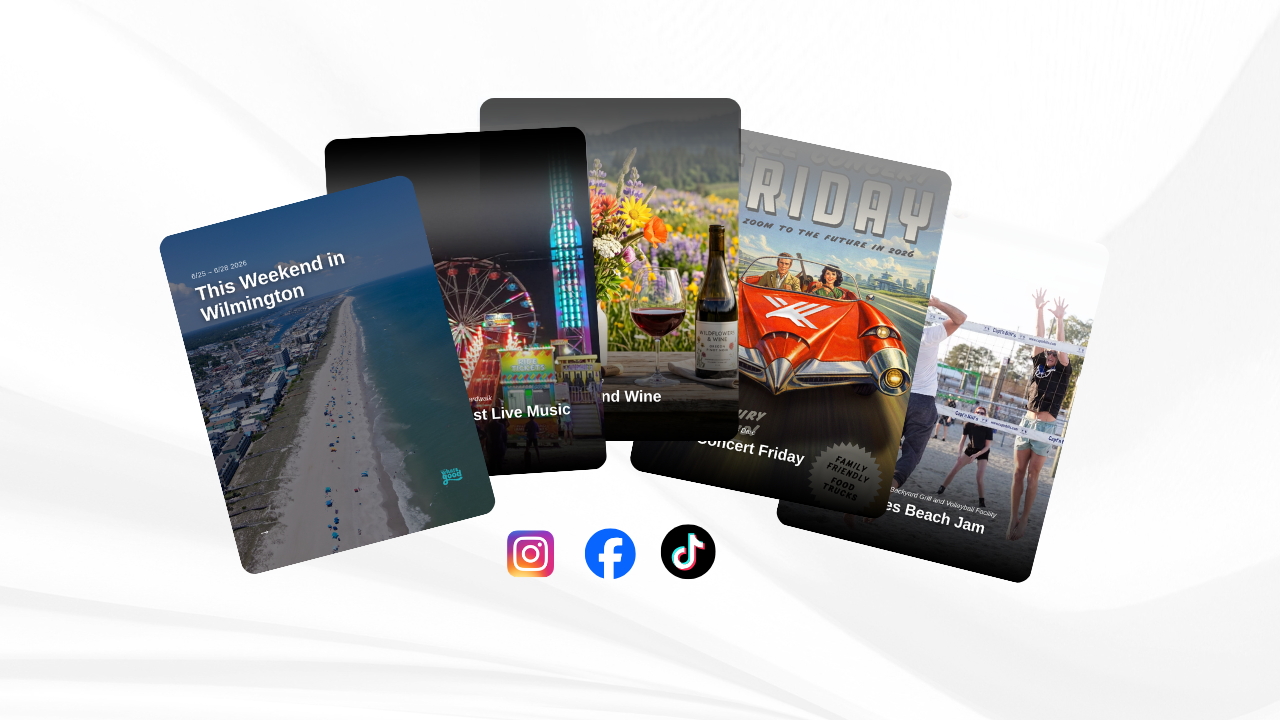
Early on, we tried to replicate what we'd built in Wilmington - the local media traction, the audience, the trust - in another city. The AI worked perfectly. Events aggregated, the tool functioned, did exactly what it was supposed to do.
Nobody cared.
Turns out good information that nobody knows about is worthless. You can't drop a tool into a community and expect trust to follow. You have to get it into the hands of people who already have it.
What That Failure Taught Us
That failure changed how we sell What's Good entirely. We'd assumed the technology was the hard part. It wasn't. The hard part was earning a place in a community that didn't know us yet - and no tool does that on its own.
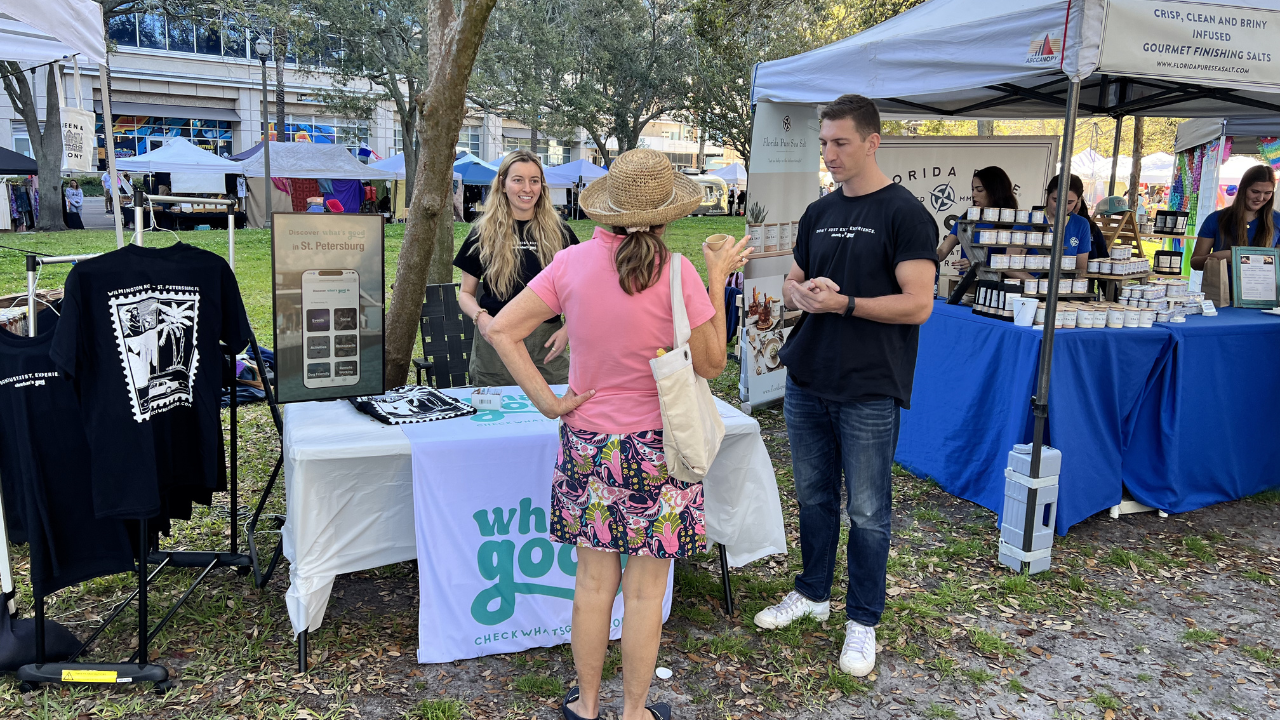
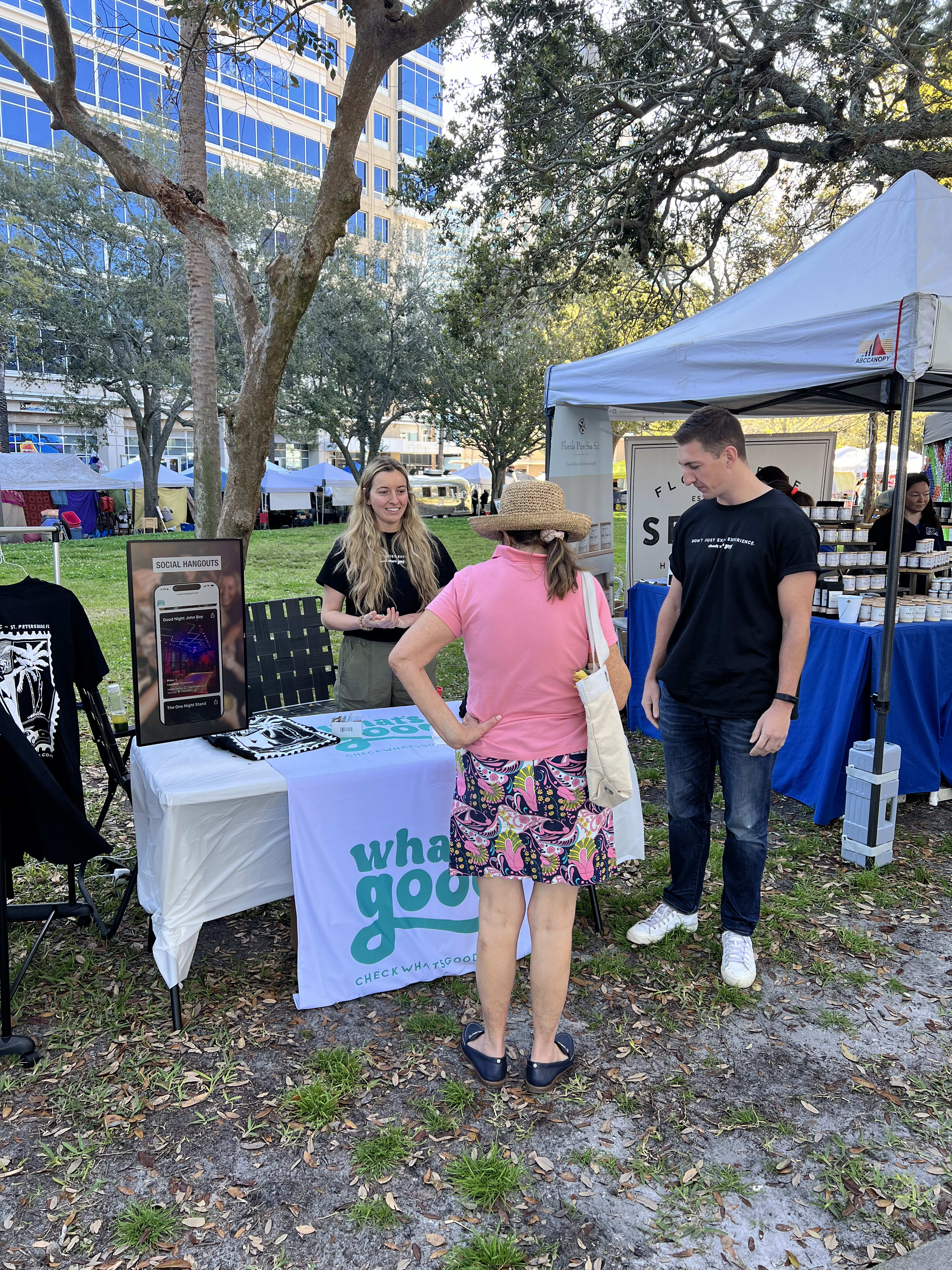
We tried a few different things to figure out what actually worked. At one point we went down to St. Pete and set up at a local market event. Good traction that day, good energy, people responded well in the moment. But a good day at a market isn't the same as a repeatable strategy.
What we landed on, eventually, was that partnering directly with the organizations already embedded in a community - the ones people already trust - was the best way to get the tech into people's hands at scale.
Something Janette Roush, Chief AI Officer and SVP of Innovation at Brand USA, said at the Visit NC conference has stayed with me since: government tourism agencies have a duty to use AI well. They're spending public dollars. Efficiency isn't optional - it's accountability.
That reframed things for us too. One of our partners saves 22 hours a month using What's Good. We save the same amount ourselves. But the point was never the hours saved for their own sake. Those hours go back to actually showing up - to the community relationships and local presence no tool can replicate.
The Line We Try to Hold
The honest version of our philosophy now: AI without a human touch is generic. A human without AI is leaving time on the table. The trick is knowing which is which - and making sure the human is still what people actually connect with.
When it works, people notice better results. They don't notice the technology. That's the whole point.
About the Author
Megan Rowe
Co-Founder & CMO
Megan is the Co-Founder and CMO of What's Good. She built an audience from zero to 30M impressions, has worked with 100+ hospitality businesses, and bridges audience behavior with product development.